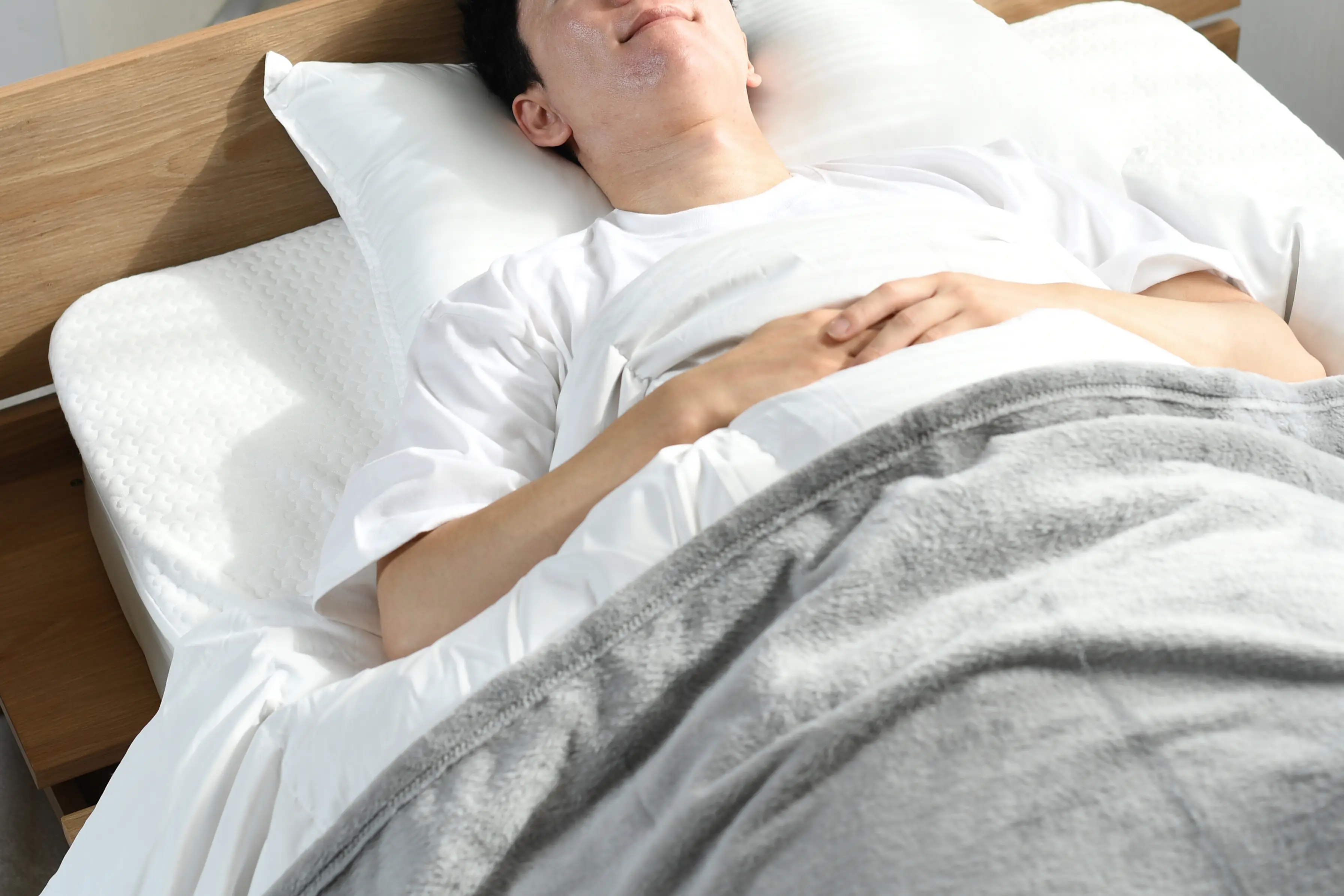
Sleep apnea is common, underdiagnosed, and often misunderstood. Millions of people live with it for years without realizing what’s happening at night or why they feel so tired during the day. At the same time, the path to evaluation and testing can feel unfamiliar, and many people aren’t sure what the first step should be.
Against this context, tools like a selfie scan for sleep apnea often prompt questions. Can a photo provide useful information about a condition that occurs during sleep? How does this type of screening fit alongside established medical testing and clinical care?
These are natural questions. Exploring how AI-based screening works and helps clarify what role a sleep apnea selfie scan can realistically play in identifying risk and guiding next steps.
The core idea of ai selfie scan explained
Sleep apnea can be influenced by many factors, including body weight, muscle tone, sleep position, and anatomy.
Some of those anatomical factors are visible. The shape and position of the jaw, chin, face, and neck can affect how much space the airway has when muscles relax at night. These patterns have been studied for decades in sleep medicine and dental sleep medicine.
An AI selfie sleep apnea test doesn’t diagnose sleep apnea. Instead, it looks for facial features that are associated with higher or lower risk of airway obstruction. Using computer vision, the system measures proportions and relationships such as jaw position or facial width rather than identifying who you are.
Think of it as a fast way to ask: Based on visible anatomy, does this person have features that often show up in people with sleep apnea?
The result is a risk signal, not a medical conclusion.
New tools often raise understandable questions especially when they look different from what we’re used to in healthcare. A selfie-based screen can feel unfamiliar at first, so it helps to walk through some of the most common reactions people have when they encounter it for the first time.
These aren’t misconceptions in the sense of being “wrong.” They’re reasonable thoughts most people have and addressing them calmly helps clarify how this kind of screening actually fits into sleep care.
“If a selfie can detect sleep apnea, why would I need a sleep test?”
It’s a fair question and often the very first one that comes to mind.
If sleep apnea happens while you’re asleep, how could a single image possibly replace what’s measured overnight?
The short answer is: it doesn’t, and it isn’t meant to.
A selfie scan doesn’t observe breathing, oxygen levels, or sleep stages. Those signals can only be captured during a sleep study, whether that’s done at home or in a sleep lab. What the scan does instead is much earlier in the process—it looks for physical features that are known to influence airway space when the body relaxes during sleep.
Think of it as a way to decide whether testing is worth pursuing, not a replacement for the test itself. For many people, that early signal helps move them from uncertainty to action.
“Isn’t this just guessing or profiling based on how someone looks?”
This concern comes up often, and it’s an important one to address clearly.
A selfie-based screen isn’t making casual judgments or assumptions. It doesn’t evaluate attractiveness, identity, or who someone is. Instead, it measures specific craniofacial relationships such as jaw position and facial proportions that sleep medicine has long associated with airway narrowing.
These are structural features, not personal traits. The technology focuses on geometry, not identity, and it does not rely on facial recognition or store who you are. In other words, it’s looking through the face to understand anatomy, not at the face to label the person.
“I’m not overweight, so this probably doesn’t apply to me.”
Many people assume sleep apnea is primarily a weight-related condition. That belief is common, and it’s also why a large number of cases go undetected.
Plenty of individuals with sleep apnea are of normal weight. Women, people of Asian ancestry, and those with smaller or retruded jaws are especially likely to be missed by traditional screening questionnaires, which tend to emphasize snoring loudness or body size.
Because facial structure plays a role in airway size, a selfie-based screen can sometimes highlight risk in people who don’t fit the typical picture of sleep apnea. For some, that becomes the first clue that their symptoms may have a physical explanation.
“Is this a shortcut to treatment?”
It can be tempting to hope that an easier screen leads directly to an easier solution but that’s not how responsible sleep care works.
Screening is a starting point, not a clinical decision. No treatment - whether CPAP, oral appliance therapy, or any other intervention should begin without a confirmed diagnosis from a qualified clinician.
A selfie scan helps answer one question: Is it worth taking a closer look?
Diagnosis, treatment selection, and follow-up remain firm in the hands of medical professionals.
Seen this way, screening doesn’t bypass care; it supports it by helping people enter the system with clearer direction.
When new tools enter healthcare, their value is clearest when their role is well defined. An AI-based facial scan is designed to support sleep care by offering early signals while leaving diagnosis and treatment decisions where they belong.
Understanding this distinction helps set the right expectations from the start.
What does AI facial screening do
Facial screening provides a quick, low-friction way to look for physical features that are commonly associated with sleep apnea risk. Because it focuses on visible anatomy such as jaw position and facial proportions, it can surface patterns that influence how open the airway remains during sleep.
For people who are unsure whether further testing makes sense, this kind of screening can offer helpful orientation. It often serves as an entry point into a more informed conversation with a clinician, especially when symptoms are subtle or easy to dismiss.
In this role, the scan supports earlier awareness and clearer next steps without adding complexity.
How it fits alongside clinical care
Sleep apnea is diagnosed by observing breathing, oxygen levels, and sleep patterns over time. Those measurements require a sleep study and clinical interpretation.
Facial screening sits earlier in that process. It helps signal when further evaluation may be helpful, with next steps guided by licensed clinicians and sleep specialists, including those accessible through our sleep health care partner, Arima Health, using established medical testing.
In medical terms, this is screening rather than diagnosis. Screening tools are designed to broaden visibility and reduce missed risk, helping more people reach appropriate care with greater clarity.
For many people, the hardest part of addressing sleep apnea isn’t treatment - it’s knowing how the process actually unfolds. Understanding the steps in advance can make the experience feel far more approachable.
In practice, the pathway is designed to move from simple awareness to clinical evaluation in a measured, supported way.
It often begins with an AI-based selfie scan for sleep apnea, paired with a small number of questions about common symptoms such as snoring, daytime fatigue, or morning headaches. Together, these inputs help estimate whether someone falls into a lower, moderate, or higher risk category.
At this stage, nothing is being diagnosed. The goal is simply orientation, helping clarify whether a closer look would be useful.
When the scan suggests elevated risk, the next step is evaluation rather than treatment. Individuals are connected with licensed sleep clinicians through Arima Health, who guide sleep-related assessments and, when appropriate, arrange home sleep apnea testing.
That sleep test captures information a selfie does not: airflow, breathing effort, oxygen levels, and sleep-related patterns across the night. These measurements allow clinicians to determine whether sleep apnea is present and, if so, how significant it is.
If sleep apnea is confirmed, the conversation then shifts to care options. A clinician reviews the results and discusses appropriate approaches, which may include CPAP therapy, oral appliance therapy, positional strategies, or other interventions. These decisions are guided by both clinical findings and individual preferences.
Throughout this process, coordination matters. Moving from initial screening to evaluation to testing requires clear handoffs and follow-through. Soliish is designed to support that continuity - helping early screening results connect smoothly to clinical review and next steps, rather than leaving people uncertain about what to do next.
Privacy is an essential part of this pathway as well. Facial scans are used to assess structural features related to airway risk, not personal identity. They are processed to inform next steps in care, not to create permanent biometric records.
Seen together, the pathway is intentionally simple: early insight, clinical evaluation, appropriate testing, and informed care - each step building calmly and clearly on the one before it.
Untreated sleep apnea is linked to cardiovascular disease, metabolic problems, cognitive issues, and reduced quality of life. Yet many people delay testing because they’re unsure whether their symptoms are serious enough.
A sleep apnea selfie scan lowers the barrier to asking that question. It doesn’t create a diagnosis, but it can reduce uncertainty and prompt earlier evaluation especially for people who don’t snore loudly or don’t match the “typical” sleep apnea profile.
Earlier screening doesn’t mean over-treatment. It means fewer people spending years fatigued and confused before getting clear answers.
So, can a selfie really detect sleep apnea?
No, and it shouldn’t claim to.
What it can do is help identify risk using visible anatomical clues, in a way that’s quick, accessible, and non-invasive. An AI selfie sleep apnea test serves as a first step - one that supports, rather than replaces, clinical care.
If you’re considering a selfie scan, the right expectation is simple: it’s a risk check, not a medical verdict. The value lies in what comes next - clear pathways to proper testing and professional guidance.
That’s where tools like Soliish fit in: not as a replacement for doctors or sleep studies, but as infrastructure that helps people move from uncertainty to clarity with fewer barriers along the way.
If you need technical help or guidance, we’re just an e-mail away.